To quote a girl from Instagram (or TikTok), I now identify as a gay, male, hockey player.
There are shows that slowly build an audience, and then there are shows that seem to appear everywhere at once. One week you have never heard of them, and the next week your entire feed is full of edits, think pieces, and emotionally unwell viewers insisting that this story “changed their brain chemistry.”
Heated Rivalry falls squarely into the second category.
What started as a sports drama quickly turned into a full-blown internet phenomenon. TikTok edits rack up millions of views. Twitter, sorry not on it and will not call it X, is split between people screaming about chemistry and people asking how a hockey romance managed to hurt them this deeply.
So what exactly is going on here? Why has Heated Rivalry captured such an intense, emotional response from viewers around the world? And why does it feel different from other romance or sports series that came before it?
Let’s break it down.
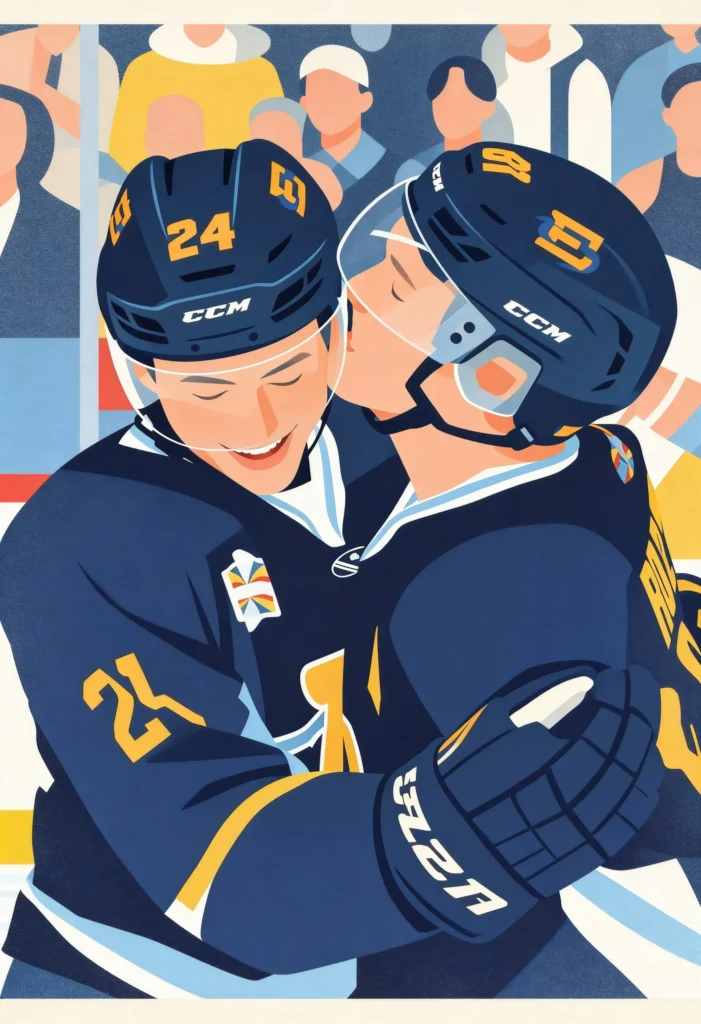
Yes, you can buy this poster here, and no, you’re not overreacting to it.
What Is Heated Rivalry About?
On the surface, Heated Rivalry sounds familiar. Two elite professional hockey players. Bitter rivals on the ice. Years of competition, tension, and barely concealed resentment. That premise alone is not new.
What is new is how the series treats that rivalry.
Rather than using it as a short obstacle before rushing toward romance, Heated Rivalry lets the conflict breathe. The story unfolds over several years, following Shane Hollander and Ilya Rozanov as their careers rise, collide, and repeatedly pull them together in ways neither of them fully understands at first.
This is not a meet-cute story. It is not a soft, comforting romance. It is messy, drawn-out, and emotionally demanding by design.
And that is exactly why people cannot stop watching.
If this image stopped you mid-scroll, it’s available as a poster right here.
Why Heated Rivalry Feels Different From Other Romance Series
The Relationship Develops Over Time, Not Episodes
One of the most common reactions from viewers is that Heated Rivalry “feels real.” That is not accidental.
Instead of compressing emotional development into a single season arc, the show allows the relationship to evolve slowly. The characters change because time passes. Careers shift. Injuries happen. Public pressure builds. Mistakes accumulate.
This long-term structure makes the romance feel earned rather than engineered. Viewers are not told to believe in the connection. They experience it gradually, often uncomfortably.

This one hit a little too close? You can get the poster here.
Conflict Is Not Treated as a Temporary Problem
Many romance series introduce conflict only to resolve it quickly. In Heated Rivalry, conflict is not a phase. It is the foundation.
The rivalry between Shane and Ilya is not just professional. It is emotional, psychological, and deeply tied to identity. Their connection exists alongside resentment, fear, jealousy, and denial.
The show never pretends that love automatically fixes those things. Instead, it shows how affection and damage can coexist for a long time.
That honesty is rare, and audiences respond to it.
For anyone who watched Heated Rivalry and hasn’t emotionally recovered, this poster is available here.
The Internet’s Obsession With Ilya Rozanov
Before we start with the perfectness that is Ilya Rozanov, if you are hungry for… no it is not what you think 🙂 If you are genuinely hungry, chack out the recepie for Kip’s Blue Moon over Brooklyn smoothie, and yes, with extra bananas.
If you spend even five minutes reading posts about Heated Rivalry, one thing becomes immediately clear: Ilya Rozanov has taken over the internet.
He is not written to be universally likable. He is sarcastic, emotionally guarded, and often cruel when cornered. He deflects vulnerability with humor and provocation. He does not explain himself easily.
And that complexity is precisely why viewers are fascinated by him.

If this feels familiar in a way you can’t quite explain, you can buy the poster here.
Many fans describe Ilya as one of the most compelling queer characters they have seen on television in years. He is not softened to be palatable. His growth is slow, uneven, and sometimes painful to watch.
Rather than presenting vulnerability as a quick breakthrough moment, the series allows it to surface in fragments. A look held too long. A joke that lands too close to the truth. A reaction that betrays more than he intended.
For audiences used to emotionally tidy character arcs, this feels raw and refreshing.
Shane Hollander and the “Quiet Anchor” Archetype
If Ilya is chaos, Shane is steadiness. But that does not mean he is passive.
Shane is often described by fans as the emotional anchor of the series. He is open in ways Ilya cannot be, but he is not naïve. He understands the cost of secrecy, the pressure of public image, and the limits of patience.
What makes Shane compelling is that his kindness is not framed as weakness. The series allows him to be frustrated, hurt, and angry without turning him into a martyr.
This balance prevents the relationship from falling into a savior narrative. Shane does not exist to fix Ilya. He exists as his own person with boundaries and breaking points.
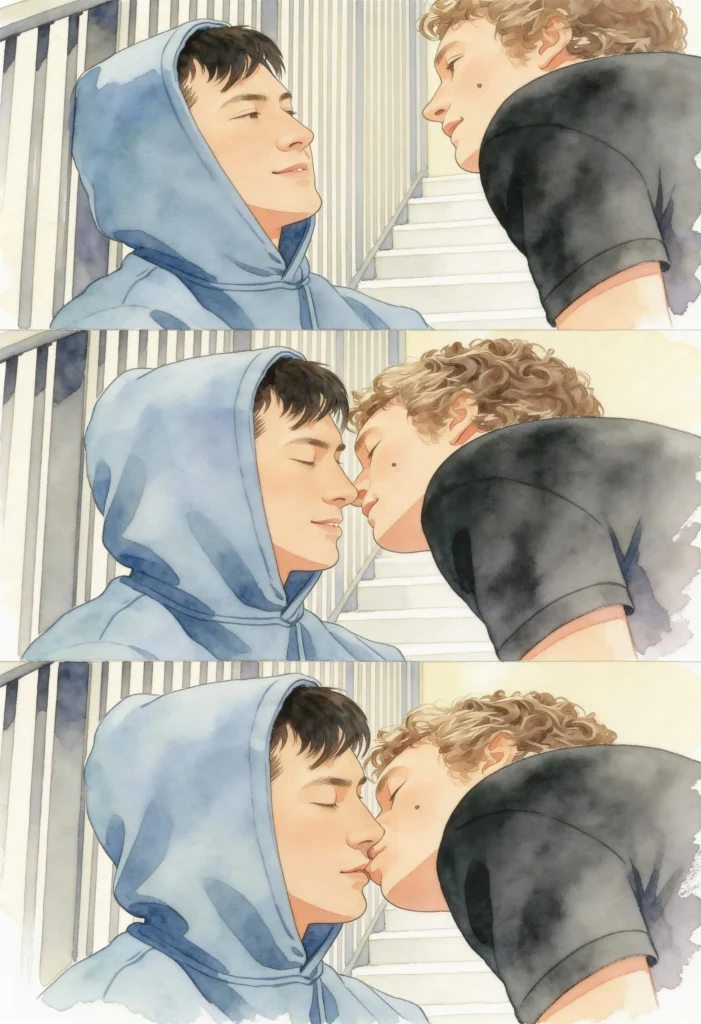
If this scene still lives rent-free in your head, the poster is available here.
Representation Without Sanitization
Another reason Heated Rivalry resonates so strongly is its approach to queer representation in professional sports.
The show does not romanticize being closeted. It does not treat secrecy as sexy or noble. Instead, it portrays the emotional exhaustion, isolation, and self-division that come with hiding a core part of your identity.
At the same time, it avoids turning the story into a lesson. There are no speeches explaining what the audience should think. The impact comes from accumulation. From years of small compromises. From the quiet cost of survival in a hyper-masculine environment.
That restraint gives the story weight.
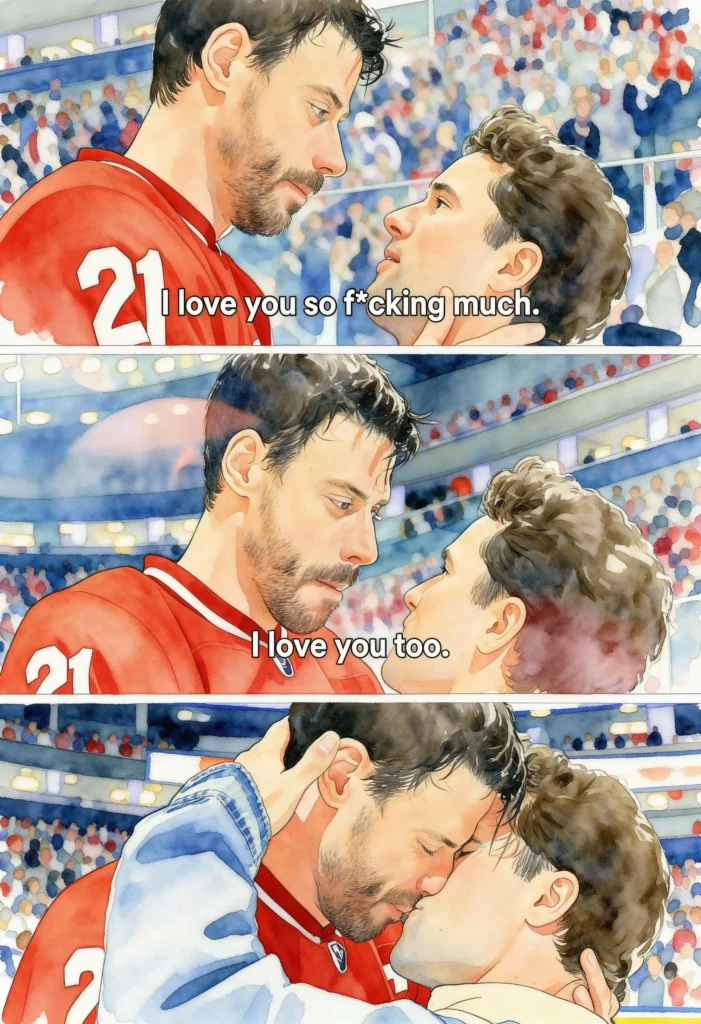
Yes, you can buy this poster here, some moments deserve a permanent place on your wall.
Why the Hype Feels So Intense Online
A Digital-First Fandom
The explosion around Heated Rivalry did not come from traditional media coverage. It came from online communities.
TikTok edits dissect moments frame by frame. Tumblr users write long-form meta analyses. Reddit threads debate character motivation and timeline details. Twitter amplifies emotional reactions in real time.
This kind of engagement creates a feedback loop. Viewers are not just watching the series. They are processing it together.

If this feels like the quiet moment after everything, you can buy the poster here.
Emotional Investment Over Passive Viewing
Heated Rivalry demands attention. It does not work well as background noise. Small moments matter. Expressions linger. Silence is often more important than dialogue.
That encourages viewers to watch actively, rewind scenes, and discuss interpretations. In an era of disposable content, that level of engagement feels rare.
Criticism and Divided Opinions
Not everyone loves the series, and that is worth acknowledging.
Some viewers find the pacing slow, especially in the middle episodes. Others feel the emotional tension becomes exhausting rather than cathartic. There are debates about whether certain conflicts are drawn out longer than necessary.
But even critical takes tend to recognize that the show is intentional. It knows what it is doing, even when that choice frustrates part of the audience.
And often, that frustration becomes part of the conversation rather than a reason to disengage.
Why Heated Rivalry Stays With You After the Credits Roll
The most telling reactions to Heated Rivalry are not about plot twists or standout scenes. They are about mood.
Viewers describe feeling unsettled. Thoughtful. Emotionally bruised. Many say the series lingers in their mind long after they finish it.
That lingering effect comes from restraint. From not offering easy resolutions. From allowing love to exist alongside fear, ambition, and unresolved tension.
In a landscape crowded with content designed to be consumed and forgotten, Heated Rivalry does something quietly radical. It asks viewers to sit with complexity.
And judging by the internet’s reaction, a lot of people were waiting for exactly that.
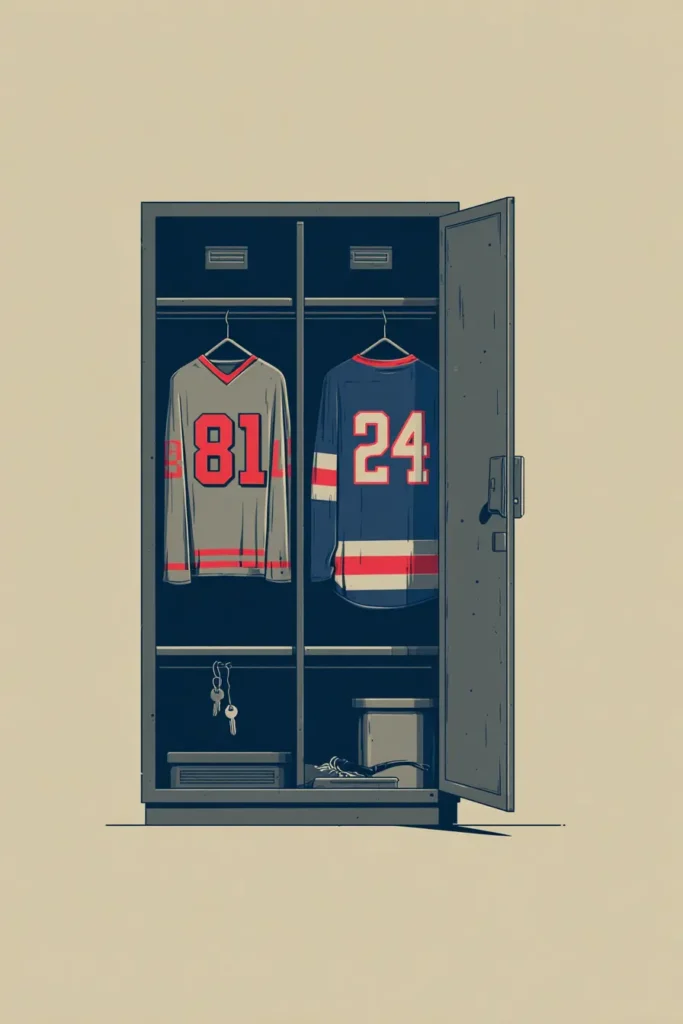
Yes, you can buy this poster here, some rivalries were never just about the game.
Final Thoughts
Heated Rivalry is not just popular because it is romantic or dramatic. It is popular because it trusts its audience.
It trusts viewers to follow a long arc. To tolerate discomfort. To care about characters who are not always easy to love.
That trust has paid off in the form of one of the most passionate fandom responses of recent years.
Whether you are watching for the chemistry, the emotional realism, or the slow-burn intensity, one thing is clear: this series did not just capture attention. It captured people.
And that is much harder to do.